Insurance in Hollywood, Florida: what residents and businesses need to know
Finding the right insurance in Hollywood, Florida means dealing with a market unlike almost anywhere else in the country. Between Atlantic hurricane seasons, routine flooding from summer storms, one of the densest concentrations of condos and rental properties in South Florida, and a business community that stretches from Young Circle to the Broadwalk, the coverage decisions you make here carry real weight. This post covers the most important personal and commercial insurance topics for Hollywood residents and business owners.
Why Hollywood, Florida creates unique insurance challenges
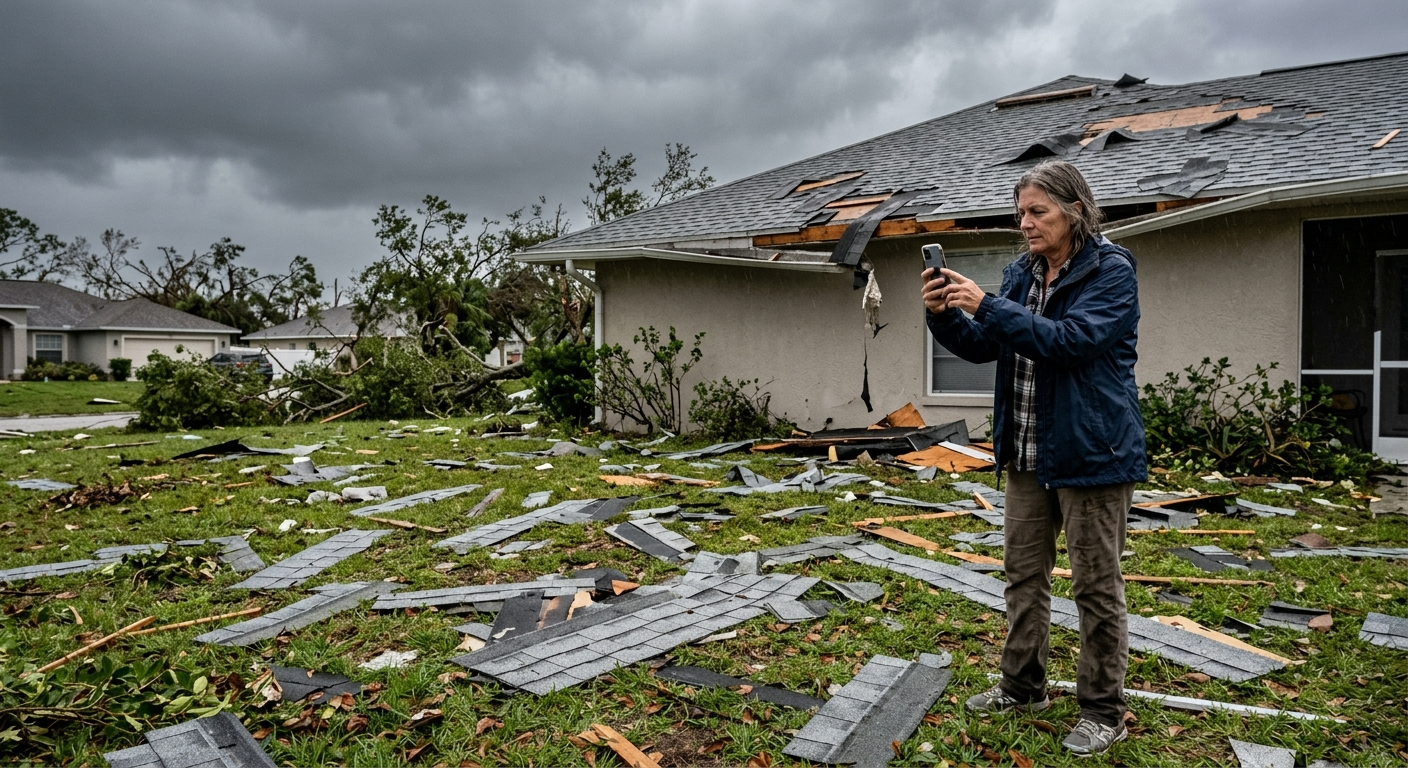
Hollywood sits between Fort Lauderdale and Miami, just a few miles from the coast. That geography is a lifestyle asset and an insurance complication. Broward County is regularly in the cone of concern during hurricane season, and streets in Hollywood Lakes, West Lake, and near the intracoastal flood during heavy rain events that have nothing to do with named storms. Insurers price that risk accordingly.
The state-level picture adds another layer. Florida has seen multiple major carriers exit the homeowners market since 2021, leaving many homeowners with fewer choices and higher premiums. The Florida Office of Insurance Regulation reports that average homeowners premiums in South Florida regularly run two to three times the national average. If your policy came up for renewal and the number surprised you, you are not imagining it.
Working with an independent agency that knows this market is one of the most practical steps you can take. An independent agent shops multiple carriers at once, which matters when your options are limited and pricing varies widely between companies.
Homeowners insurance for Hollywood residents
Most Hollywood homeowners need to think about three separate coverage layers: the standard homeowners policy (HO-3) , a separate flood policy, and in some cases a wind-mitigation endorsement or separate windstorm policy through Citizens or a private carrier.
A standard HO-3 covers your dwelling, personal property, liability, and additional living expenses if a covered loss makes your home uninhabitable. It does not cover flood damage. Not from storm surge. Not from a foot of standing water after a slow-moving tropical system drops 15 inches of rain. Flood is always a separate policy, and in Hollywood's flood zones that coverage is not optional in any practical sense.
If you have a mortgage, your lender almost certainly requires flood insurance if your property falls in a Special Flood Hazard Area. But even properties outside the mapped high-risk zones flood in South Florida. Nearly 20 percent of flood claims nationally come from outside designated flood zones. Our detailed Florida flood insurance guide walks through NFIP vs. private flood options if you want to go deeper on that topic.
For condo owners in Hollywood Beach towers or any of the many mid-rise buildings along the corridor, coverage works differently. The association's master policy covers the building shell and common areas, but your HO-6 policy needs to cover your unit's interior improvements, your personal property, and your personal liability. After the Surfside collapse in 2021, Florida passed SB 4-D, which tightened structural inspection and reserve funding requirements for condos. That has translated into higher HOA fees and, in some cases, special assessments that a well-structured condo policy can help offset. See our Florida condo insurance guide for the full breakdown.
Auto insurance requirements and what they really mean in Florida
Florida is a no-fault state, which means every driver is required to carry Personal Injury Protection (PIP) of at least $10,000 and Property Damage Liability (PDL) of at least $10,000. Florida does not require Bodily Injury Liability (BIL) for most drivers, which surprises many people and creates real coverage gaps if you are in an at-fault accident.
The state minimums give you bare legal compliance, not meaningful protection. A minor fender-bender on US-1 or Hollywood Boulevard can easily exceed those limits. Medical bills from a serious accident can reach six figures. If your assets or income are at risk, carrying only state minimums is a gamble that rarely pays off.
Hollywood also has a high concentration of rideshare drivers working for Uber and Lyft, which creates a personal auto coverage gap most people do not know about. Your personal policy excludes coverage during the period when the app is on but you have not yet accepted a ride. That gap requires either a rideshare endorsement or a separate commercial policy to close. Our post on rideshare insurance in Florida covers exactly how that works.
Uninsured motorist coverage matters here
Florida consistently ranks among the top states for uninsured drivers. Estimates put the uninsured motorist rate at roughly 20 percent statewide. Adding uninsured/underinsured motorist (UM/UIM) coverage to your auto policy is one of the highest-value additions you can make for the premium it costs. If an uninsured driver hits you, your UM coverage steps in where their nonexistent liability policy would have.
Renters insurance: coverage most Hollywood renters skip
Hollywood has a large renter population, particularly in the Beach area and near the downtown corridor. Renters insurance is one of the most underused policies in the state, and also one of the cheapest. Most renters policies run $15 to $25 per month for $30,000 or more in personal property coverage, liability protection, and additional living expenses if your unit becomes uninhabitable.
A common misunderstanding: your landlord's property policy covers the building, not your furniture, electronics, clothing, or anything else inside the unit. If a pipe bursts in the unit above yours and floods your apartment, you need your own renters policy to recover your losses. Liability coverage in a renters policy also protects you if a guest is injured in your home and pursues a claim against you.
Short-term rental hosts on Hollywood Beach using Airbnb or VRBO face a different problem. Standard homeowners and renters policies typically exclude commercial activity, and most platform host protections have significant gaps. A dedicated short-term rental policy is built specifically for that exposure.
Commercial insurance for Hollywood businesses
Hollywood's business mix is genuinely diverse: hospitality businesses along the Broadwalk, medical offices clustered near Memorial Regional, contractors and trades supporting active residential construction, restaurants around Downtown Hollywood, and a growing number of professional service firms. Each of those categories carries its own insurance requirements and risk profile.
General liability and property: the foundation
Nearly every business needs commercial general liability (CGL) coverage. It protects you if a customer is injured on your premises, if your work causes property damage to a third party, or if you face a personal injury claim. In Florida, many commercial leases require tenants to carry at least $1 million per occurrence in CGL coverage, so this is often a lease requirement as much as a financial protection.
Commercial property covers your building (if you own it), business personal property, and equipment. In Hollywood's coastal market, that policy needs to address wind and flood just as a residential policy does. Many commercial property policies exclude wind damage from named storms, pushing that exposure to a separate windstorm policy or to Citizens' commercial lines. Know exactly what your policy excludes before a storm is named.
Small business owners should also look at a Business Owner's Policy (BOP), which bundles general liability and commercial property into a single, usually discounted package. Our guide to BOPs for Florida small businesses explains who qualifies and what the bundling typically saves.
Workers compensation in Florida
Florida requires most employers to carry workers compensation insurance once they hit four employees (one in the construction industry). Broward County has significant construction activity, and penalties for non-compliance are steep. The state can issue a stop-work order and fine you $1,000 per day per employee working without coverage. Even if you are not legally required to carry it, workers comp protects you from common-law negligence claims that can be far more expensive than the premium. See our post on Florida workers compensation requirements for the full detail on thresholds, exemptions, and costs.
Industry-specific coverage worth knowing
A few Hollywood business types deserve specific mention:
- Restaurants and bars: Beyond GL and property, food service businesses need liquor liability if they serve alcohol, product liability for food-borne illness claims, and commercial auto if they deliver. Our restaurant insurance guide for South Florida covers the full picture.
- Contractors and trades: Florida contractor licensing requires proof of insurance. General contractors need GL, workers comp, and often a builder's risk policy for projects under construction. Subcontractors need their own GL, not just a certificate from the GC. Our contractor insurance requirements page has the specifics.
- Medical and professional offices: Professional liability (also called E&O or malpractice) covers claims that your professional work caused a client financial harm or physical injury. Medical professionals also need medical professional liability coverage specifically. A standard GL policy does not cover these claims.
- Cyber liability: Any business that stores customer data, processes payments, or operates digital systems is exposed. Ransomware attacks hit small businesses as often as large ones, and a single incident can cost tens of thousands of dollars in recovery, notification, and regulatory defense costs.
The independent agency advantage for Hollywood insurance shoppers
Choosing an independent insurance agency over a captive agent or a direct-to-consumer app is one of the most practical decisions a Hollywood resident or business owner can make. A captive agent represents one carrier. A direct app gives you one algorithm. An independent agency represents dozens of carriers and can compare options across all of them on your behalf.
That matters in Florida more than in almost any other state right now. The homeowners market has fewer carriers than it did five years ago. Commercial property markets in coastal Broward County are tight. When one carrier raises rates or pulls back from a class of business, an independent agent can move to another option without you having to start the process over. There is no loyalty advantage to staying with a single company when the market shifts this fast.
It also matters for claims. An independent agent works for you, not the carrier. When a claim gets complicated, having an advocate who knows your policy and the carrier's process is genuinely useful.
Get coverage built for Hollywood, Florida
Marker Insurance is an independent insurance agency serving Hollywood and the surrounding South Florida communities. We work with multiple carriers to find coverage that fits your specific situation, whether you own a home on the water, rent an apartment near Young Circle, run a restaurant on the Broadwalk, or manage a commercial property in Broward County.
We are not here to sell you a policy. We are here to make sure the coverage you carry actually works when you need it. That starts with a real conversation about your risks, your budget, and the options available to you right now in this market.
Call us at (954) 456-7505 or reach out through our contact page to get started. You can also visit our Hollywood service area page to learn more about how we serve this community.